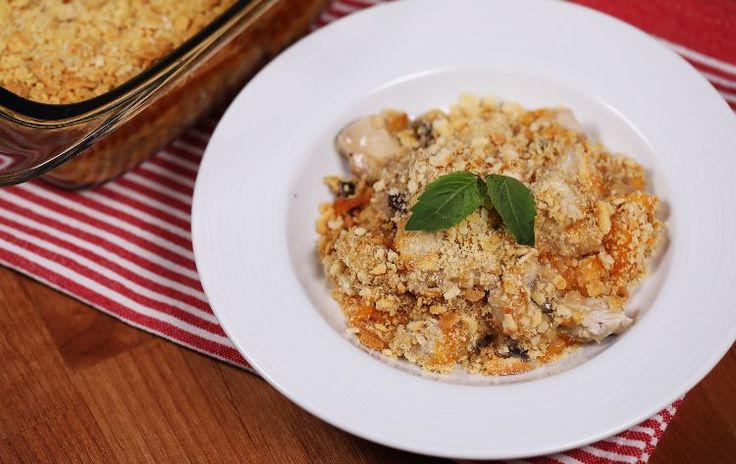
Grandma's Chicken Casserole: French Classic vs. Creamy Comfort – A Culinary Showdown
There's something uniquely comforting about a grandmothers chicken casserole. It evokes memories of bustling kitchens, Sunday dinners, and the unmistakable aroma of home-cooked love. These dishes aren't just meals; they're culinary legacies, passed down through generations, each with its own story and distinctive character. While the core idea of chicken baked in a single dish remains, the world of grandma's chicken casseroles is wonderfully diverse. Today, we're diving into two iconic styles: the sophisticated, rustic charm of a French classic, Poulet Cocotte Grandmère, and the heartwarming, easy-going appeal of a creamy American comfort casserole. Which one will capture your heart—and your dinner table?
The French Classic: Poulet Cocotte Grandmère – A Taste of Rustic Elegance
Imagine the rolling hills of the French countryside, where simple, high-quality ingredients are transformed into masterpieces through time-honored techniques. That's the essence of the French classic grandmothers chicken casserole, known as Poulet Cocotte Grandmère. This dish is less about quick assembly and more about building deep, complex flavors from scratch. It's a celebration of tender chicken, savory bacon, earthy mushrooms, and aromatic herbs, all simmered in a luscious wine-infused sauce.
Ingredients and Flavor Profile
Unlike its creamy counterpart, the French casserole emphasizes whole, fresh ingredients and relies on a slower cooking process to meld flavors. Key components typically include:
- Chicken: Free-range drumsticks and thighs are preferred for their flavor and ability to withstand longer cooking without drying out. Browning them first is crucial for developing a rich, caramelized crust.
- Aromatics: Diced brown onion, bay leaf, and fresh rosemary sprigs form the fragrant base, infusing the dish with an irresistible herbaceous aroma.
- Bacon: Diced bacon adds a salty, smoky depth and renders fat that contributes to the overall richness.
- Wine: A dry white wine, such as a Macon or Chardonnay, is essential for deglazing the pan and adding a bright, acidic counterpoint that lifts the entire dish. It's a key element in forming the savory sauce.
- Vegetables: Baby mushrooms absorb the incredible flavors of the sauce, while cubed potatoes are cooked separately until nearly tender, then finished in the casserole, ensuring they are perfectly cooked without becoming mushy.
The resulting flavor is savory, earthy, and subtly sweet from the onions, with a pleasant tang from the wine and a comforting richness from the chicken and bacon. It's a truly sophisticated yet humble dish that speaks to the soul.
The Art of Preparation
The preparation of Poulet Cocotte Grandmère is a testament to the beauty of traditional cooking. It begins with browning the chicken and bacon, building layers of flavor in the pan. The onions, herbs, and wine are then added, deglazing the pan and setting the stage for a slow simmer. This low-and-slow method, often covered with foil and a lid, ensures the chicken becomes fall-off-the-bone tender and the flavors fully develop. The potatoes, cooked separately to achieve perfect texture, are then gently folded in for the final few minutes, allowing them to absorb some of the magnificent sauce.
For a detailed journey into recreating this classic in your own kitchen, explore our guide: Grandma's French Chicken Casserole: Easy Poulet Cocotte Recipe.
The Creamy Comfort: A Timeless Family Legacy
On the other end of the spectrum lies the quintessential American-style grandmothers chicken casserole: a creamy, hearty, and often quick-to-assemble dish that has graced family tables for decades. This casserole is all about warmth, nostalgia, and satisfying hungry crowds with minimal fuss. It’s the dish many grew up requesting for birthdays and potlucks, a true symbol of comfort food.
Ingredients and Flavor Profile
The creamy casserole tradition often highlights convenience and clever use of pantry staples, especially popular in the mid-20th century when home cooks sought efficient yet delicious meals.
- Chicken: Cooked chicken, whether shredded from a rotisserie bird or diced from leftover breasts, is a cornerstone, making this a fantastic way to repurpose ingredients.
- Noodles: Cooked egg noodles provide a soft, chewy base that soaks up all the creamy goodness.
- Cream Soups: Canned cream of mushroom and cream of chicken soups are the secret to its signature creamy texture and savory depth, a hallmark of many classic American casseroles.
- Dairy: Sour cream adds a delightful tang and extra creaminess, balancing the richness of the soups.
- Vegetables: Finely chopped onion and frozen peas are common additions, adding flavor, texture, and a touch of color.
- Cheese: Shredded cheddar and Parmesan cheeses contribute incredible melt-in-your-mouth goodness and a rich, savory finish.
- Topping: A buttery cracker crumb or panko breadcrumb topping provides a satisfying crunch and golden-brown appeal.
The flavor profile here is rich, cheesy, and deeply savory, with that unmistakable creamy mouthfeel that defines comfort food for so many. It’s familiar, comforting, and utterly satisfying.
Effortless Assembly and Baking
One of the most appealing aspects of this creamy grandmothers chicken casserole is its straightforward method. It typically involves combining all the main ingredients—chicken, noodles, soups, sour cream, veggies, and cheeses—in a large bowl. This mixture is then transferred to a greased casserole dish, topped with buttery crumbs and extra cheese, and baked uncovered until bubbly and golden brown. The beauty lies in its simplicity and the ability to feed a large family with relatively little effort, often born out of necessity but evolving into a cherished tradition.
To dive deeper into the heartwarming history and preparation of this family favorite, explore: Grandma's Timeless Creamy Chicken Casserole: A Family Legacy.
A Tale of Two Grandmothers Chicken Casseroles: Key Distinctions
While both recipes fall under the beloved umbrella of "grandmothers chicken casserole," their differences are as intriguing as their similarities:
- Cultural Heritage: One is rooted in classic French culinary techniques, emphasizing fresh, often seasonal ingredients and a slow, deliberate cooking process. The other emerged from American home cooking, valuing convenience, pantry staples, and efficient meal preparation, often in the post-war era.
- Flavor Profile: The French version offers a complex, savory, herbaceous, and wine-infused taste with tender chicken and rustic vegetables. The creamy version delivers a rich, cheesy, hearty, and deeply comforting experience with soft noodles and a buttery crunch.
- Preparation Style: Poulet Cocotte Grandmère involves more hands-on steps like browning and deglazing, building flavor from the bottom up. The creamy casserole is more of an assembly job, combining pre-cooked and pantry ingredients for a quick bake.
- Texture: The French dish typically features distinct pieces of chicken, crisp bacon, and firm vegetables in a thinner, savory sauce. The creamy casserole boasts a homogenous, velvety texture with soft chicken and noodles, often topped with a crispy crust.
- Occasion: Both are family meals, but the French classic might feel more suited for a special Sunday dinner or a cozy gathering, while the creamy version is the ultimate weeknight hero or potluck superstar.
Tips for Crafting Your Own Signature Casserole
Whether you lean towards the French classic or the creamy comfort, here are some tips to make your grandmothers chicken casserole truly shine:
- Quality Ingredients Matter: Especially for the French version, using good quality free-range chicken, fresh herbs, and a decent white wine will significantly elevate the flavor. For the creamy version, fresh cooked chicken (not just canned) and good quality cheese make a difference.
- Personalize Your Veggies: Feel free to add or swap vegetables based on what's in season or what your family loves. Green beans, carrots, or bell peppers can be great additions to either.
- Herb Power: Don't underestimate the impact of fresh herbs. They add brightness and depth. Experiment with thyme, parsley, or tarragon.
- Spice It Up (or Down): Adjust seasonings to taste. A pinch of red pepper flakes can add a subtle kick to the creamy casserole, while a touch of smoked paprika can enhance either.
- Make Ahead: Many casseroles can be assembled ahead of time, refrigerated, and then baked when ready. This is a fantastic time-saver for busy weeknights. Just add about 10-15 minutes to the baking time if baking from cold.
- Homemade Alternatives: For the creamy casserole, consider making your own homemade cream of mushroom or chicken soup for a fresher, less processed taste. It’s more effort but offers incredible control over ingredients.
Conclusion
The concept of grandmothers chicken casserole is a beautiful testament to the enduring power of food to connect us to our past, nurture our present, and create lasting memories. Whether you prefer the rustic elegance of Poulet Cocotte Grandmère with its rich wine-infused flavors and slow-cooked tenderness, or the heartwarming, cheesy embrace of a creamy comfort casserole that feeds the soul, both traditions offer profound satisfaction. Why choose just one? Embrace the diversity, try both styles, and discover which rendition of this beloved classic will become the next cherished legacy in your own family kitchen.
